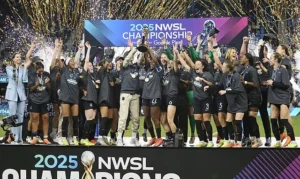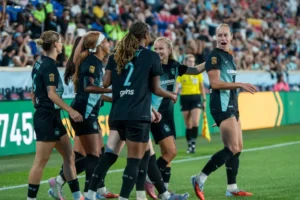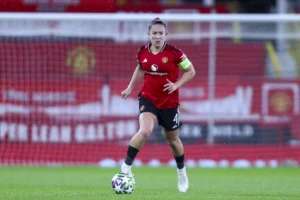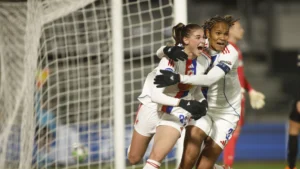
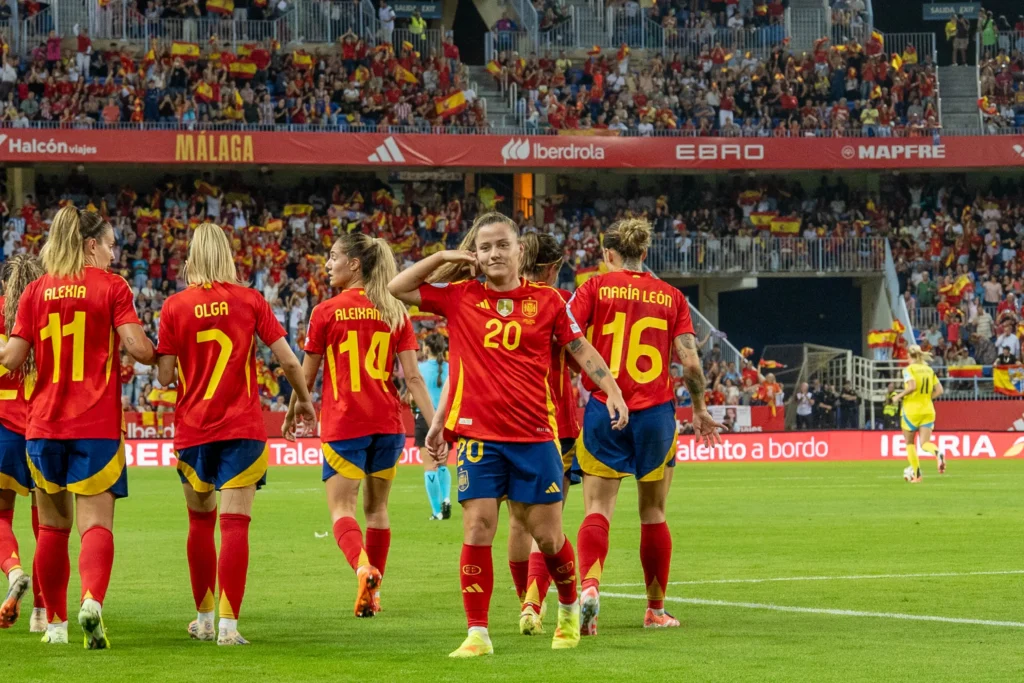
The development of women’s football is accelerating worldwide, but the key role in this process is played not only by female players, clubs and federations. Increasingly important is the support coming from men, professional footballers, coaches, commentators and athletes from other sports. Their voices, media influence, and in some cases financial investments, help increase visibility and improve conditions for women in the game. Below are some of the most noteworthy examples of such initiatives.
Héctor Bellerín – A Voice for Equality and Cultural Change
Héctor Bellerín, a player for Real Betis, has long publicly supported the idea of equality in sport. He speaks openly about the need to invest in women’s football, emphasizing that only real financial backing can allow it to develop at a fully professional level. In interviews, he reminds us that equal pay and conditions are not a luxury, but a foundation for building a healthy, cohesive and modern sports culture.
Bellerín uses his platform to raise awareness and challenge stereotypes. His support is social, symbolic and media-oriented, demonstrating that women’s football deserves the same seriousness and respect as the men’s game.
Denmark’s Men’s National Team – Solidarity in Action
The example of the Danish men’s national team shows that support can also take very concrete forms. During contract negotiations, male players agreed to compromise on aspects of their own agreements in order to improve conditions for the women’s national team. This was not just a verbal gesture, but a real act of solidarity.
As a result, the women’s team secured better social protection and a more professional training environment. This example demonstrated that equality in sport begins when men recognize that women deserve the same opportunities for development and support.
Ian Wright – A Consistent and Long-Term Ally of Women’s Football
Former England international Ian Wright has been one of the most important voices supporting women’s football in the media for years. As an expert and commentator, he consistently highlights the quality of the women’s game, the professionalism of its players, and the need for proper appreciation of their work. Wright doesn’t simply speak, he educates, normalizes, and challenges the narrative that “women play worse.”
His influence on public opinion is significant, and most importantly, he helps shift the conversation to what really matters: the quality, professionalism and potential of women’s leagues.
Borja Iglesias – Support Through Values and Taking a Stand
Borja Iglesias, a Spanish forward, has repeatedly spoke out in favor of equal treatment of athletes regardless of gender. Amid controversy surrounding the treatment of the Spanish women’s national team, he refused to play for the men’s national team until the situation was resolved. His decision carried weight, it showed that solidarity requires courage and a willingness to accept consequences.
Although he is not a financial investor in a women’s club, his impact is cultural. He supports equality at the level of values, an approach just as important as monetary support.
Jimmy Butler – Investment as a Signal to the Market
A different type of support comes from outside football. NBA star Jimmy Butler invested in the women’s club San Diego Wave FC. This is an example of action that goes beyond symbolic endorsement, financial backing enables the club to build better infrastructure, increase professionalism, and strengthen its brand for fans and sponsors.
Moves like this demonstrate that women’s football is not only socially significant but also holds real business potential.
Conclusion
The future of women’s football depends not only on what happens on the pitch, but on the people who choose to support it, strengthen it, and treat it with the seriousness it deserves. Héctor Bellerín and Ian Wright show how powerful voice and narrative change can be. The Danish men’s team proves that solidarity can bring systemic improvements. Borja Iglesias demonstrates that ideals sometimes require personal sacrifice. And Jimmy Butler shows that investment in women’s football is not just symbolic, it is a smart step toward the future of sport.
Together, they send a shared message: women’s football is not a “supplement” or secondary version of the game. It is a full, dynamic and growing part of global sport, one that deserves support, respect and equal opportunities. Its growth will accelerate as more people, regardless of gender or discipline, choose to stand behind it.