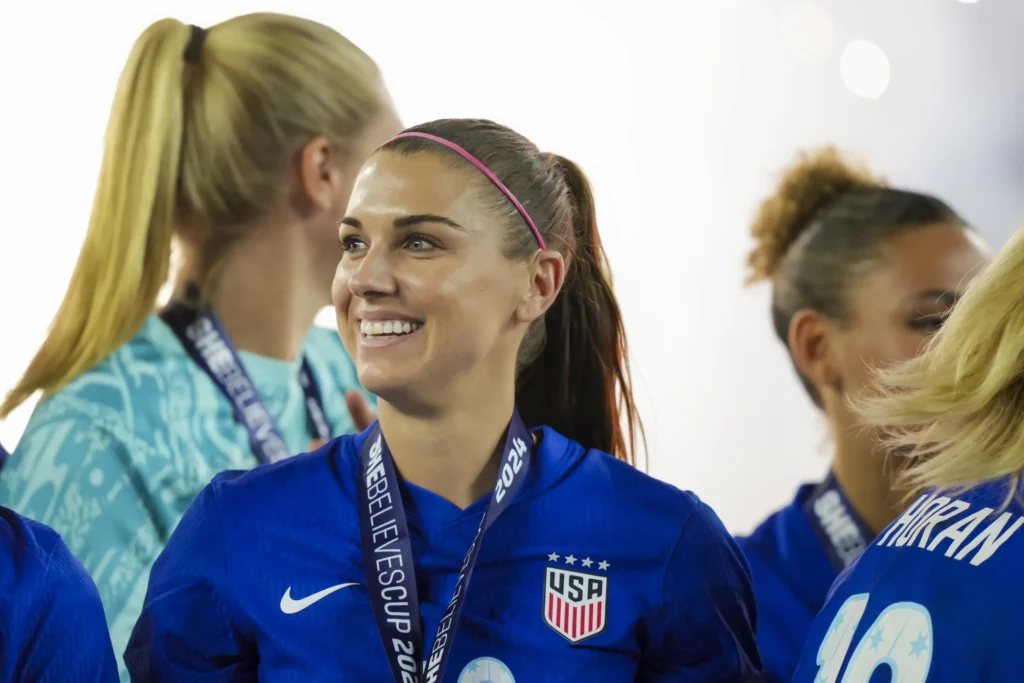
Just a dozen or so years ago, the world of women’s football was convinced that pregnancy meant the end of a career. Clubs lacked regulations protecting players, and many footballers gave up on their dreams of motherhood, fearing the loss of their contract or place in the squad. Today, the situation is slowly changing, thanks to new FIFA rules and the courage of many players who have broken the taboo.
A Break That Changes Everything
For a footballer, pregnancy is not only a natural stage of life but also a major professional challenge. The body needs many months to return to full fitness. Experts emphasize that it usually takes from six months to even a year from childbirth to stepping back onto the pitch. During that time, muscles, ligaments, and stamina must be rebuilt step by step.
“It’s like starting your career all over again only with experience, but also with extra responsibilities,” say physiotherapists working with players after childbirth.
The Power of the Mind and a New Perspective
Motherhood can also be a source of additional strength. Some players come back stronger than ever before. They are motivated by the thought that they are now playing not just for themselves but also for their child. “When I look at my daughter, I know it’s worth fighting for every match,” admits American star Alex Morgan, who returned to the pitch after giving birth and is still one of the world’s top strikers.
At the same time, many footballers admit that the fear of losing their spot in the team stays with them throughout pregnancy. Returning to the field is not always guaranteed, a lot depends on the support of the club and those around them.
Money and Rules – FIFA’s Revolution
For years, the biggest problem was financial security. Pregnancy often meant losing a contract, and therefore a livelihood. That changed only in 2021, when FIFA introduced groundbreaking regulations:
- a minimum of 14 weeks paid maternity leave,
- protection of contracts during pregnancy,
- mandatory support for returning to play.
The symbol of this change became Iceland’s Sara Björk Gunnarsdóttir, who sued Olympique Lyon for not paying her salary during pregnancy. In 2023, FIFA ruled in her favor and ordered the club to pay €82,000 in back wages. Her case was a turning point, it showed that the new rules truly protect players and forced clubs to take motherhood seriously.
Stories That Inspire
- Sydney Leroux played in two World Cups and returned to the pitch quickly after each childbirth.
- Alex Morgan proved it’s possible to combine motherhood with being a football icon.
- Thanks to Gunnarsdóttir’s precedent, players worldwide have gained greater confidence that they can be both mothers and professional athletes.
A New Era of Women’s Football
There is still a long road ahead before motherhood in football is treated as naturally as an injury or a health break. But one thing is certain, awareness is growing, and the stories of players like Morgan, Leroux, and Gunnarsdóttir show that pregnancy does not have to mean the end of a career, but rather the beginning of a new chapter.
Women’s football is becoming more mature, more human, and… closer to the fans. Because behind every jersey number stands not just a footballer, but a woman and sometimes also a mother.