
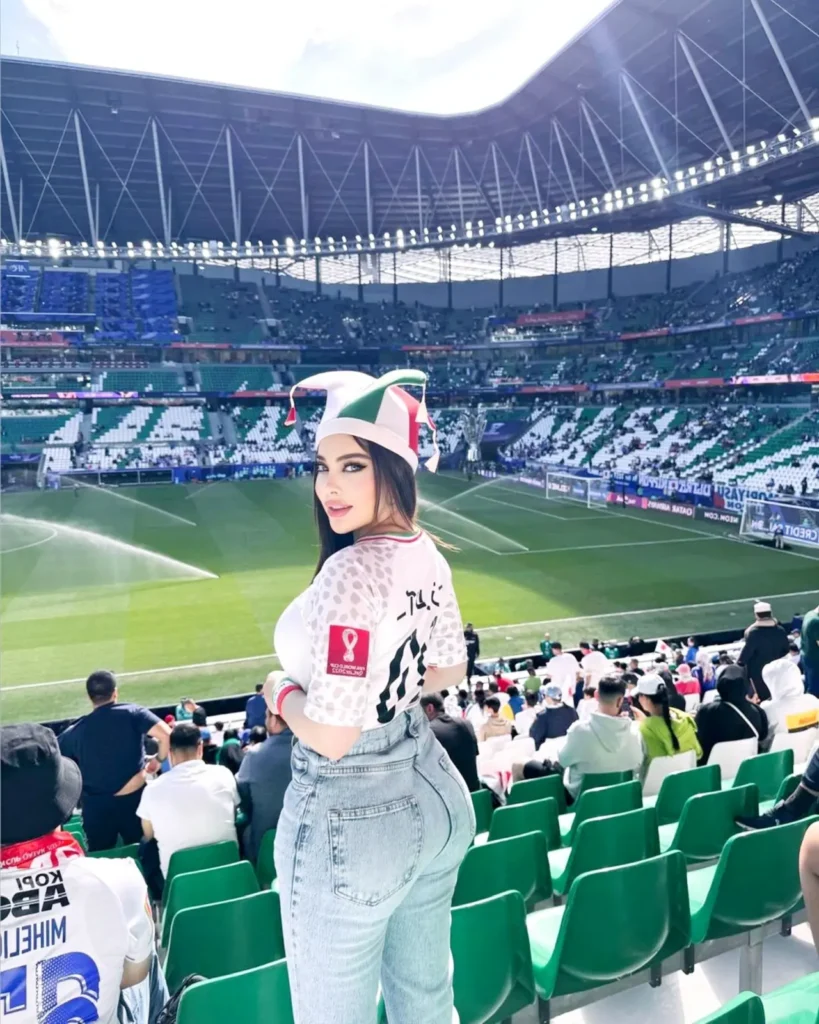
From packed stadiums to vibrant fan zones, women aren’t just watching football. They’re shaping it.
Just a few years ago, women’s stands were considered a niche part of the sports landscape. Today they symbolize a transformation taking place not only on the pitch, but also in culture, fashion, travel and the communities built around football.
According to recent data from this year’s Women’s European Championship, tourist traffic in host cities increased by dozens of percent, and sales of official shirts and merchandise exceeded all forecasts. But behind these numbers lies something far greater than economics, a new way of experiencing sport.
Fandom as a Lifestyle
The new generation of female fans doesn’t limit itself to passively watching matches. For many women, football has become part of their identity and a form of self-expression. Outfits inspired by team colors, collecting limited edition jerseys, planning trips around fixtures are now everyday habits for fans who have made football a part of popular culture.
Stadium crowds are becoming increasingly diverse, not only in age but also in the way people show their support. There is no longer a single definition of what it means to be a fan. It’s a space where everyone can express their emotions on their own terms. Football is no longer a male domain; it has become a shared language and a field for individuality.
The Economics of Passion
The phenomenon of female fandom also carries strong economic weight. In cities hosting women’s football tournaments, record breaking increases in tourism and commerce have been recorded. In the week marking the start of the championship, hotel bookings rose by more than 20%, and sports merchandise sales by nearly half.
Women’s football has become not only a sporting success but also a driving force for the recreation, fashion and tourism industries. Much of this growth is powered by women themselves, not only players but also fans who travel, buy tickets, support their teams and shape a new culture of sporting participation.
From Stadiums to Social Media
Today’s fans are active not only in the stands but also online. Communities connecting supporters from different cities and countries are growing on platforms like Instagram, TikTok and Discord. These spaces bring together thousands of people who share match emotions, styling ideas and travel plans.
Supporting a team has become part of daily life; it doesn’t end with the final whistle. It’s a space where sport blends with fashion, art and digital culture. The atmosphere surrounding women’s matches stands out for its openness, joy and sense of community, qualities that are attracting more and more people, even those who previously felt detached from the football world.
Interestingly, more brands and clubs are recognizing this shift, investing in projects aimed specifically at women, from dedicated clothing lines to initiatives promoting equality in sport. For many companies, this is not just a way to reach new audiences but also a response to the growing social demand for diversity and inclusion.
A Generation That’s Changing the Game
The rise of women’s sport goes hand in hand with the growing number of girls playing football in clubs and schools. The visibility of female players and international successes inspire a new generation to get involved. Increasingly, it is the fans who are seen as the driving force behind this shift, their presence, engagement and energy are shaping the development of a sport that, until recently, existed in the background.
Higher attendance at stadiums translates into greater interest from sponsors, media and sports brands. In turn, growing investments in infrastructure and youth training are creating a domino effect that is transforming the football landscape across Europe.
A New Era of Emotion
In stadiums, pubs and online, one thing is clear: the energy is electric. Women are not just following the scores, they’re making football history on their own terms. Their presence is not a temporary trend but a lasting element of modern sports culture.
This new wave of female fandom is a fusion of passion, creativity and community. It’s also a reminder that sport, at its best, doesn’t divide but connects. As this community continues to grow, a new definition of fandom is taking shape, one built on authenticity, emotion and solidarity.