 UEFA Women's Champions League
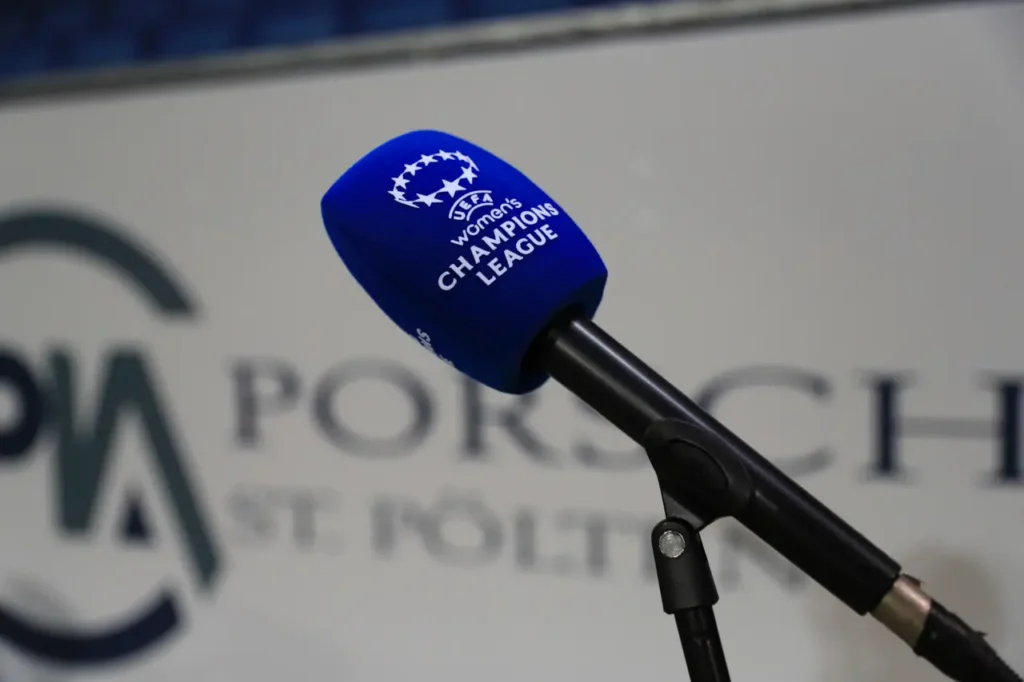
 Football fans in Germany have voiced their anger at public broadcaster ZDF, accusing the station of either not showing or providing very limited coverage of UEFA Women’s Champions League (UWCL) matches. The debate flared up on social media after many supporters were unable to watch their favorite teams, once again highlighting the problem of women’s football visibility in mainstream media.
On Twitter/X, dozens of critical comments appeared, including a post by user @hsvwoso98: “Schämt euch ZDF! #UWCL” (“Shame on you, ZDF!”). Fans argue that the lack of coverage of the Women’s Champions League is not only a sign of disrespect toward the players but also a missed opportunity to promote the rapidly growing women’s game in Germany and across Europe.
A Systemic Problem?
This is not the first time supporters have voiced frustration. Although women’s football is steadily gaining popularity, broadcasts are still often pushed aside in favor of other sporting events, with matches relegated to less accessible channels or streaming services. By contrast, the men’s Champions League is widely broadcast and heavily promoted, raising the question: why are the women’s competitions still treated as second-tier?
The Fans’ Voice
Fans emphasize that ZDF, as a public broadcaster, should strive to treat both competitions equally – especially given Germany’s strong women’s football tradition and international successes. The absence of UWCL broadcasts is seen as a signal that the media still fail to take women’s football seriously.
“We want to watch our teams and support the players. If the matches aren’t broadcast, it’s hard to expect the popularity of women’s football to grow,” read some of the online comments.
The Numbers Speak for Themselves
According to UEFA data, the audience for the Women’s Champions League has been rising year after year. The 2023/24 UWCL final drew more than 15 million viewers worldwide – a record figure. This clearly shows that the demand is there. The real issue remains accessibility and the lack of consistent promotion by major broadcasters.
What Next?
The controversy has sparked a debate about the role of public media in promoting women’s sports. So far, ZDF has not issued an official statement, but pressure from fans is growing. If the broadcaster does not respond, supporters may turn to alternative streaming sources, further weakening traditional television’s grip on audiences.
One thing is certain – women’s football already deserves more than just fragmented airtime. In the face of the UWCL’s growing popularity, the absence of broadcasts is not only a PR failure but also a wasted chance to help shape the future of the sport.