Sixteen teams, four groups and no safety net for a favourite that starts slowly. WAFCON’s new format is wonderfully simple: finish in the top two and move into the quarter-finals; finish third and the World Cup dream is over before the knockout stage begins.
Here is how the four groups look before the first ball is kicked.
Group A: Morocco, Algeria, Senegal, Kenya
Favourite: Morocco. Danger team: Algeria. Match to watch: Morocco vs Algeria, 30 July.
Morocco have the strongest squad in the section and every environmental advantage imaginable. They will play all three group games in Rabat, know the venues and carry the support of a country that has watched them reach consecutive finals. The danger is emotional rather than technical. A team trying to win for the first time can tighten up when a straightforward game remains scoreless for too long.
Chebbak’s ability to find space between midfield and defence remains central, but Morocco are at their best when the responsibility is shared. Tagnaout gives them width, Jraidi occupies centre-backs and Benzina provides authority behind the ball.
Algeria are the obvious threat. Their first quarter-final at the previous edition was built on organisation and patience, and Farid Benstiti has added seven tournament newcomers without tearing up the core. Senegal are physically competitive and difficult to dismiss, while Kenya return after ten years with a fearless public message from coach Beldine Odemba: they are coming to compete, not participate.
Prediction: Morocco first, Algeria second — but the opening Algeria-Senegal match could overturn the entire section.
Group B: South Africa, Côte d’Ivoire, Burkina Faso, Tanzania
Favourite: South Africa. Danger team: Côte d’Ivoire. Match to watch: South Africa vs Côte d’Ivoire, 31 July.
South Africa’s fourth-place finish in 2024 was below their own standard, yet this remains a mature tournament side. Desiree Ellis knows exactly what she wants from Banyana Banyana: control without sterility, aggressive movement from wide areas and enough defensive balance to let Kgatlana attack space.
Kgatlana’s return changes the mood around the team. She is not simply a famous name at the top of the pitch; she stretches a defence until gaps appear for Motlhalo and Magaia. South Africa should see more of the ball than anyone else in Group B, but Côte d’Ivoire have the pace to make possession feel dangerous.
Burkina Faso and Tanzania are capable of turning the group into a grind. That matters in a short tournament. A draw against one of them would transform the South Africa-Côte d’Ivoire meeting from a contest for first place into something far less comfortable.
Prediction: South Africa first, Côte d’Ivoire second.
Group C: Nigeria, Zambia, Egypt, Malawi
Favourite: Nigeria. Danger team: Zambia. Match to watch: Nigeria vs Zambia, 1 August.
This is the group everyone will want to watch and nobody will want to win in the quarter-final draw. Nigeria are the defending champions, the continent’s highest-ranked side and owners of the deepest squad in the competition. Zambia may have the best strike partnership.
The contrast is irresistible. Nigeria can beat opponents in several different ways. Ajibade can carry the ball through pressure, Echegini can arrive late around the box, Oshoala can pin a defensive line and Nnadozie gives the whole side permission to take risks. Zambia are more direct, but “direct” should not be confused with simple. Banda and Kundananji make opposing defenders solve several problems at once: pace behind, strength in contact and ruthless finishing.
Egypt and debutants Malawi are not there to make up the numbers. Malawi’s qualification showed their resilience, while Egypt’s inclusion in the expanded field gives a developing side exposure to the highest level. Their meeting on 5 August may decide third place, but both will see the opening games as a chance to make the group chaotic.
Prediction: Nigeria first, Zambia second. Neither will enjoy the process.
Group D: Ghana, Cameroon, Mali, Cape Verde
Favourite: Ghana, narrowly. Danger team: Cameroon. Match to watch: Ghana vs Cameroon, 2 August.
Group D is the hardest to call because every team has a believable route through it. Ghana’s squad blends established internationals such as Portia Boakye, Grace Asantewaa and Evelyn Badu with players from the domestic league. The Black Queens should have enough midfield quality to control matches, but control has to produce goals.
Cameroon’s history alone makes them impossible to ignore. Even when the Indomitable Lionesses arrive without the smoothest build-up, they understand the physical and psychological demands of WAFCON. Mali are technically capable and can dominate stretches of games. Cape Verde, one of two debutants, enter with the freedom that makes new teams so awkward: nobody knows exactly where their ceiling is, including them.
The fixture order matters. Ghana begin against Cape Verde, while Cameroon face Mali. If either favourite drops points, their meeting on matchday two becomes an early knockout game.
Prediction: Ghana first, Cameroon second, with the smallest margin of any group.
What happens after the groups?
The quarter-finals take place on 8 and 9 August. Winning one books a semi-final and a direct place at the 2027 Women’s World Cup. Losing does not end the World Cup route: the four beaten quarter-finalists enter placement play-offs, with two teams advancing to the inter-confederation play-offs.
That format will give the last round of group matches an extra edge. Finishing second may be enough to survive, but it could mean meeting Nigeria, Morocco or South Africa with a World Cup place on the line.
Live standings and the full schedule are available on the WomenLiveScore WAFCON page.
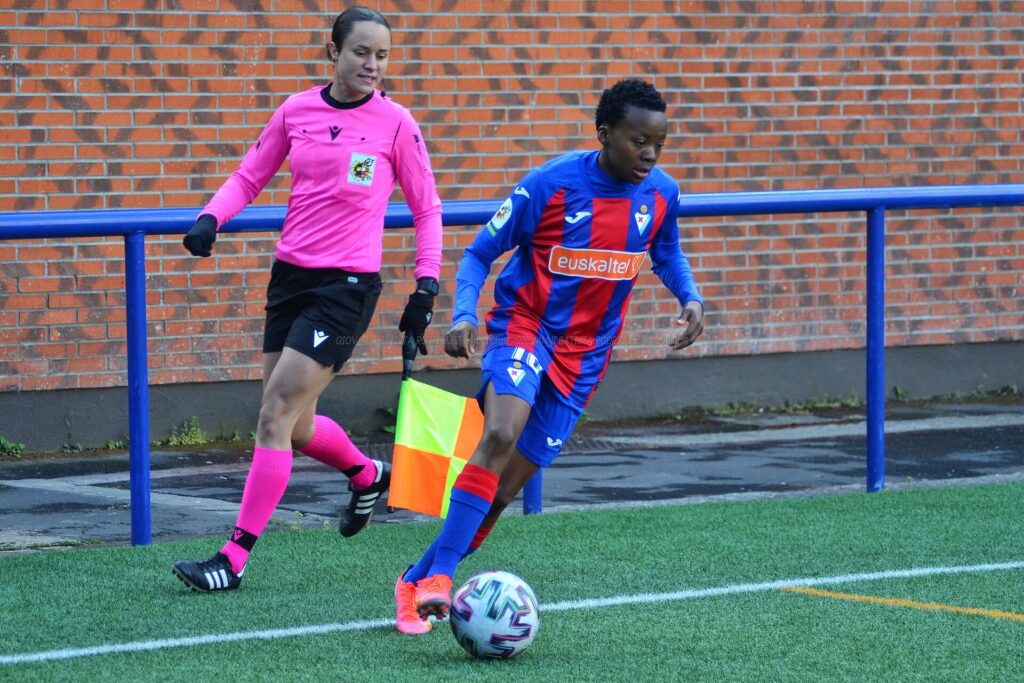
Featured image: Thembi Kgatlana. Photo by Giovanni Batista Rodriguez, licensed under CC BY-SA 2.0, via Wikimedia Commons.