
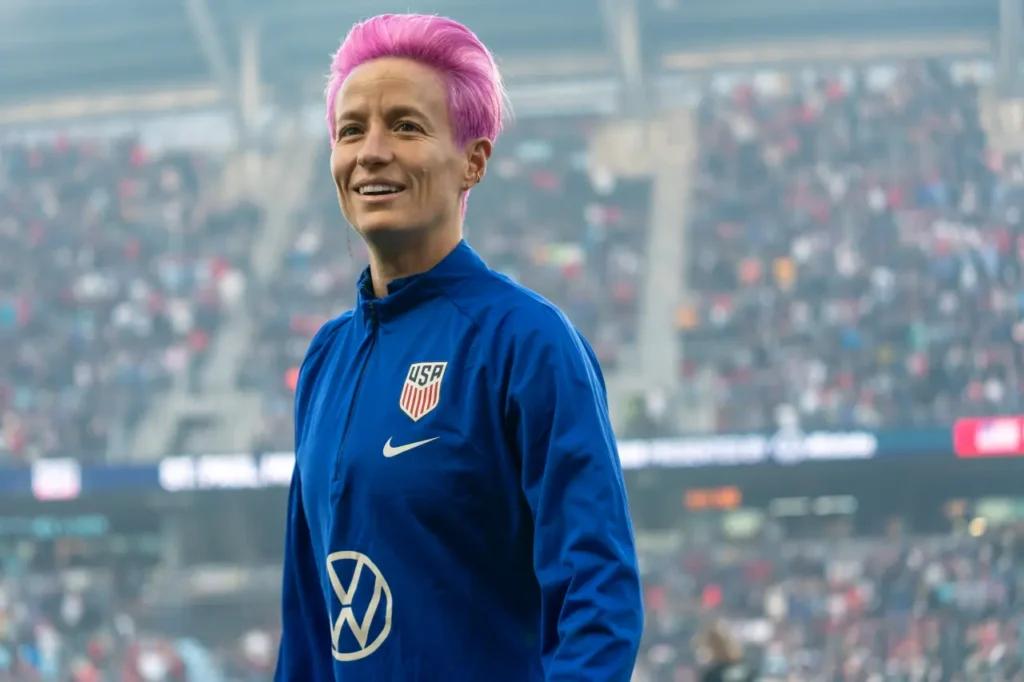
Women’s football has been developing dynamically in recent years. It is gaining increasing attention from fans around the world, and female players are becoming recognizable figures in the world of sports. Along with this growing importance, more and more conversations are emerging about equality, openness, and authenticity in sports. Modern women’s football increasingly emphasizes the importance of diversity, which contributes to building a more inclusive sporting environment.
Authenticity and Pressure in Sports
Players who speak openly about themselves often emphasize the importance of authenticity in their sporting lives. For many of them, public statements about their identity are a way to show that sport can be a space for everyone. At the same time, they are aware that such a decision comes with increased media and public attention.
Although the sporting environment increasingly highlights the value of openness and diversity, some players still face challenges stemming from social pressure or stereotypes. That is why it is important to create an atmosphere in which every athlete can feel comfortable and fully focus on competition.
Why Representation Matters
The visibility of players representing different backgrounds can inspire young people to pursue their passions. It shows that success in sports is possible for everyone, regardless of origin, identity, or beliefs. Such diversity strengthens the positive image of football as an open and modern discipline.
Examples of Well-Known Players
Women’s football has no shortage of figures who openly support the ideas of equality and acceptance.
Megan Rapinoe – World Cup champion with the U.S. national team, known both for her sporting achievements and her social engagement.
Pernille Harder and Magdalena Eriksson – leading European players who together emphasize the importance of mutual support and understanding in sports.
Sam Kerr – one of the biggest stars of the Australian national team and Chelsea FC, valued for her professionalism and positive influence on the development of women’s football.
Ali Krieger and Ashlyn Harris – experienced U.S. players involved in promoting family values and integration in sports.
Their attitudes show that openness and professionalism can go hand in hand, and authenticity is becoming an increasingly valued quality in the world of sports.
Challenges and the Role of Sports Organizations
Despite growing acceptance, the football community is still working to eliminate manifestations of discrimination and hate. More and more clubs and federations are implementing educational programs and social campaigns that promote equal treatment of all athletes.
Such initiatives build a culture of respect and safety, making football a space where everyone can fully develop their skills.
Sport as a Space for Positive Change
Women’s football today plays an important role not only on the field but also in shaping social attitudes. It shows that diversity can be a source of strength, and cooperation and mutual respect are the foundations of success.
Every match is not only athletic competition but also proof that football can bring people together and promote values such as equality, openness, and solidarity.